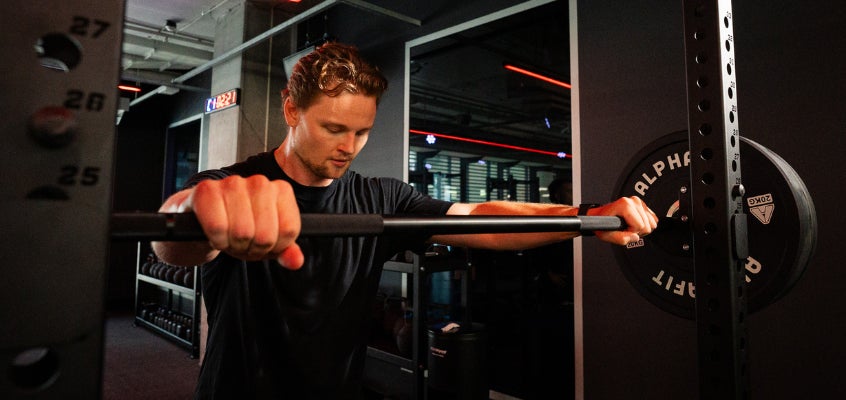
Why strength training is about more than muscles
by Keren Wright on Wednesday 19 August 2026
3 min read
Strength Training Isn't Just About the Weights Room
Let's clear something up: Strength training has an image problem. Mention it and most people picture grunting, chalk dust, and someone checking themselves out mid-bicep curl. Fair enough – but that sells strength training seriously short.
The real magic of getting stronger has less to do with how much you can lift and more to do with how you move, feel and show up in everyday life. The mind-body connection isn't just wellness jargon, it's backed by decades of research, and it can start with something as simple as your first squat.
To preface, we are not offering professional medical advice. If you are experiencing serious or persistent physical or mental concerns, please seek a qualified practitioner.
Strength goes beyond the physical
Strength training is all about aesthetics… Myth! The reality? It's one of the most powerful things you can do for both your body and your brain.
Research shows resistance training can reduce symptoms of anxiety and depression, improve cognitive function, and boost self-esteem, often within weeks of getting started. There's something incredibly rewarding about achieving a lift that felt impossible a month ago. That confidence isn't something you find; it's something you build, one rep at a time.
The everyday benefits you don't think about
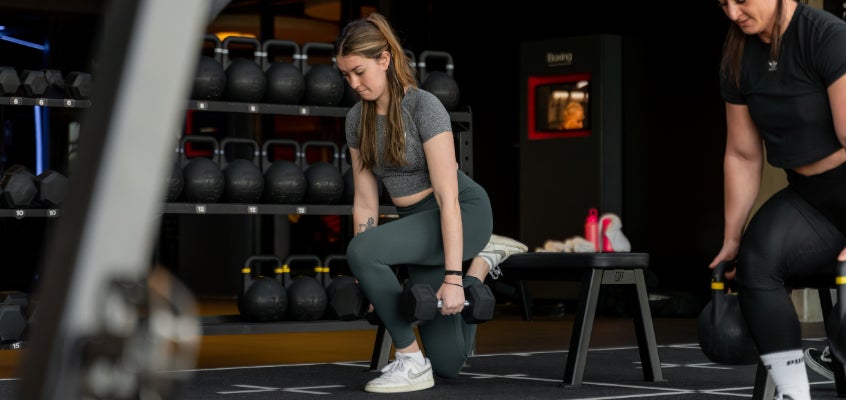
Strength training goes beyond the gym; it's for the version of you that carries the groceries in one trip, chases after a toddler, or gets up off the floor without sounding like a bag of microwave popcorn.
Getting stronger improves posture, supports your joints, sharpens balance and reaction time, and helps build bone density. Together, these benefits mean fewer tweaks, fewer twinges, and fewer "I definitely just pulled something" moments.
It's also one of the best injury prevention strategies we have. Many everyday aches and pains come down to tissues that simply weren't prepared for the load placed on them, whether that's a heavy deadlift or an awkward twist reaching into the boot of the car. At Quay Health, we see this pattern all the time and advise a tried-and-true recipe: build strength progressively, implement good movement habits, and see your body become far more resilient to the demands of everyday life.

Building strength for life
Strength training is less about building a summer body and more about building a body that will serve you for decades. The decline of muscle mass, also known as sarcopenia, occurs naturally with age; however, regular resistance training is one of the most effective ways to slow and support that decline.
Staying strong is one of the biggest predictors of maintaining independence as you get older: getting up from a chair with ease, carrying your own shopping, travelling, playing with grandkids, or simply continuing to do the things you love without needing help. It becomes more than a six-week challenge, and rather a long-term investment into your future self.
Start with the right foundation
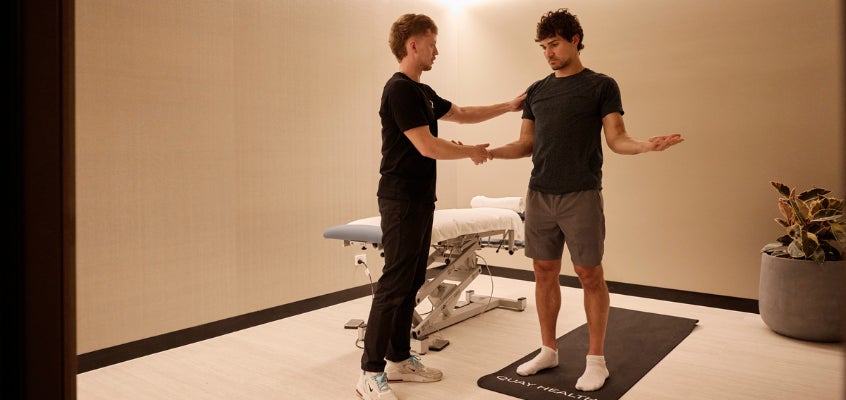
The good news? You don't need to lift like you're auditioning for a strongman competition. Sustainable strength comes down to a few unglamorous basics: good technique before heavy loads, progressive overload (gradually increasing weight, reps or difficulty over time), and – the part everyone skips – recovery. Muscles don't get stronger during the workout; they get stronger during the rest afterward.
A few practical starting points:
- Start light – Nail your form with bodyweight or light resistance before adding load.
- Progress gradually – Small, consistent increases beat sporadic heroics.
- Treat recovery as part of the program – Regular and proper sleep, rest days and the occasional remedial massage aren't optional extras.
- Fuel it properly – Good nutrient density matters.
- Get a proper assessment – Quay Health's physiotherapists and osteopaths can help.
Strong body, strong mind
True strength was never really about the number on the barbell. It's about opening a jar without a fight, playing with your kids without paying for it the next day, and walking into a room with a bit more self-assurance. Paired with good movement habits and a healthy lifestyle, strength training benefits go well beyond muscle – showing up in your mood, resilience and everyday quality of life.
So next time someone tells you strength training is just about looking good – feel free to (gently) correct them. It's about living good.
About the Author

Keren is an osteopath who was drawn to the profession after a back injury in her teens led to months of rehabilitation and exposure to different healthcare settings. She values osteopathy’s holistic, individualised approach and enjoys helping people return to full function. Her treatment style combines structural and functional techniques, with gentler methods where appropriate, and may incorporate cupping therapy. Keren works with a diverse range of patients, from new mums and runners to desk workers, with a collaborative, tailored approach. You can now find Keren at Quay Health.


Enjoying our blog?
Sign up to our newsletter to get updates on training, healthy living, news and events.