What is an anti-inflammatory diet?
by Patrick Ibsen on Wednesday 10 June 2026
4 min read
What is an anti-inflammatory diet?
Inflammation gets a bad rap, and honestly, not without reason. Chronic inflammation is linked to serious long-term conditions like heart disease, type 2 diabetes, and certain cancers. But before you swear off everything fun, it's worth understanding what's actually going on in your body, and what you can do about it through food.
What is inflammation?
Inflammation is your immune system doing its job. Stub your toe, catch a cold or push hard in a training session, and your body fires up an inflammatory response to protect and repair. That's acute inflammation, and it's actually helpful.
As we mentioned earlier, chronic inflammation is the problem. It can occur when your body stays in a vulnerable state driven by:
- poor sleep,
- stress,
- sedentary habits, or
- a diet that doesn't serve you.
As a result, this can all contribute to:
- fatigue
- slower recovery, and
- longer-term health concerns.
Small tweaks to your diet can help remedy these maladies.

Best diet for anti-inflammation
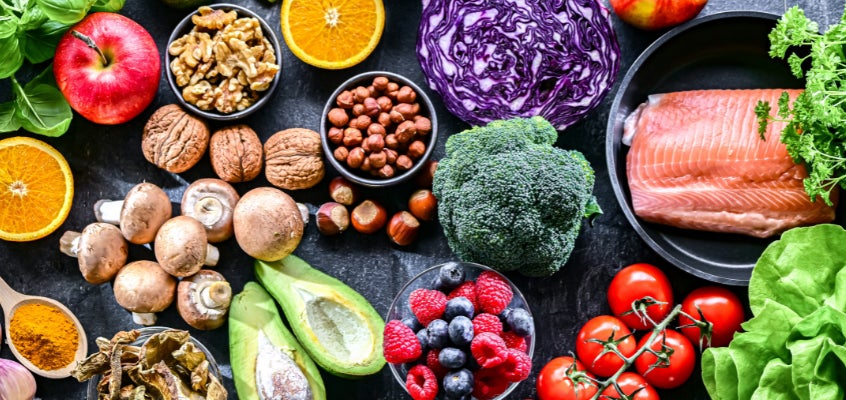
An anti-inflammatory diet doesn't have to be strict or a 12-week challenge. It can be a way of eating built around whole, nutrient-dense foods that calm the immune system rather than provoke it. Think of it as the best diet for anti-inflammation, one that prioritises:
- quality
- variety, and
- consistency.
Your diet plays a massive part in neutralising your inflammatory system. Eating foods that are nutrient dense and are packed with value can support and calm your inflammatory response.
Foods and spices that reduce inflammation
Fatty fish (salmon, sardines, mackerel)
The omega-3s EPA and DHA found in fatty fish have been shown to decrease the production of pro-inflammatory cytokines and lower C-reactive protein, a key clinical marker of inflammation in the body.
Leafy greens (spinach, kale, silverbeet)
High in vitamins K and E, both associated with lower systemic inflammation.
Berries (blueberries, strawberries, raspberries)
Antioxidant-dense and genuinely delicious.
Extra virgin olive oil
One of the most well-researched anti-inflammatory foods available – well, foodstuffs. Olive oil has been shown to modulate inflammatory pathways and reduce pro-inflammatory markers at a cellular level.
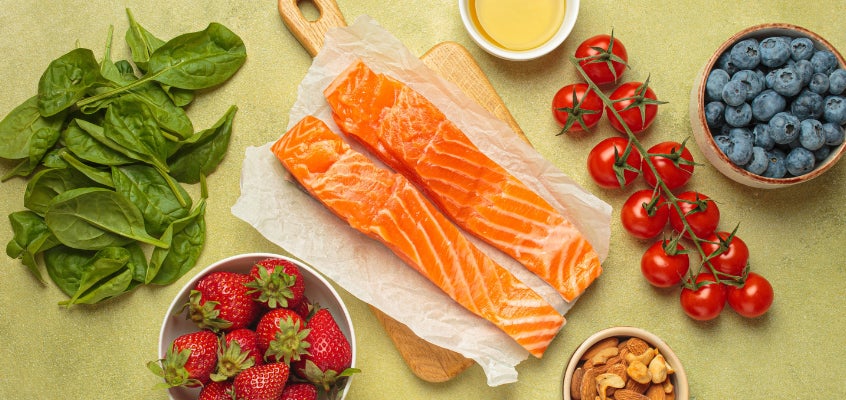
Nuts and seeds (walnuts, flaxseed, chia)
Healthy fats and fibre in every handful.
Turmeric
Not just a wellness buzzword. A 2023 systematic review of randomised controlled trials found that turmeric and curcumin supplementation significantly reduced key inflammatory markers, including CRP, TNF-alpha, and IL-6.
Eating for workout recovery
Exercise creates controlled inflammation, and it's part of how you get stronger. The next step is fuelling your body post-workout. Eating a nutrient-dense meal after exercise ensures your body stays strong and healthy after putting it under stress and is rebuilt with the best quality possible.
A 2021 meta-analysis published in PubMed found that tart cherry supplementation had a meaningful beneficial effect on reducing muscle soreness and improving recovery of muscular strength following strenuous exercise.
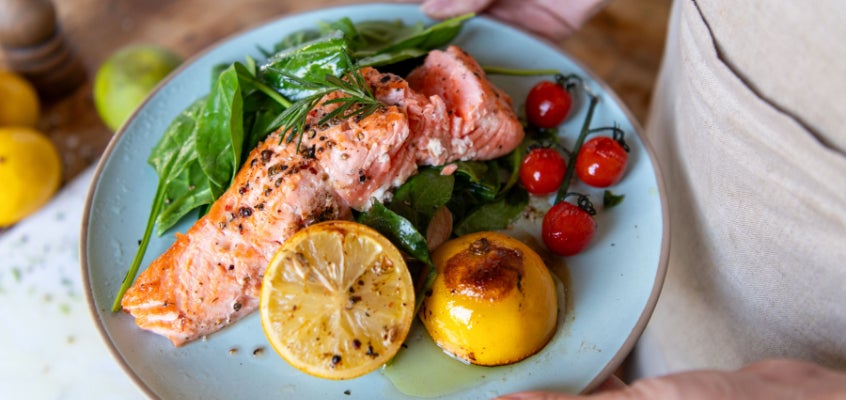
A baked salmon with roasted potatoes, or a leafy greens and berries post-workout smoothie, are simple but delicious ways to incorporate more protein into your diet.
Small, consistent upgrades compound over time. If you want to go deeper on that idea, our piece on micro-nutrition is worth a read.
Meal prep ideas to make it stick
The biggest barrier to any dietary shift isn't knowledge, it's friction. A few simple prep habits make an anti-inflammatory diet easier to maintain:
- Batch-cook a grain base (brown rice, quinoa, farro) at the start of the week to anchor quick meals.
- Keep a bottle of high-quality extra virgin olive oil ready; it instantly upgrades any salad or roasted veg.
- Roast a tray of seasonal vegetables on Sunday; they work across lunches and dinners all week.
- Stock a handful of convenience staples:
- tinned salmon,
- frozen berries,
- walnuts, and
- dark chocolate above 70% cocoa.
Making it sustainable
The best diet for anti-inflammation is the one you can actually maintain. Limiting the less helpful stuff like refined sugars, heavily processed foods, excess alcohol, can make a difference. But no need to cut them out entirely; we all need a treat here and there!
Focus on what you're adding, not just what you're removing. More colour, variety and the foods that make your body feel good.
For more help on how food supports your fitness and recovery, have a chat with one of our Personal Trainers next time you're in the club.


Enjoying our blog?
Sign up to our newsletter to get updates on training, healthy living, news and events.