
Winter nutrition: what your body needs
by Patrick Ibsen on Wednesday 19 August 2026
3 min read
Winter nutrition tips: immune-boosting foods
For most of us, the moment the temperature drops, so does our enthusiasm for a big, leafy salad at dinnertime. That's completely normal. Winter genuinely changes what your body needs. Understanding that shift is the first step in working out how to stay healthy in winter without feeling like you're missing out.
Why your body's needs change in the cooler months
Shorter days mean less sunlight, and less sunlight means your natural vitamin D production takes a hit. A study tracking over 11,000 adults found deficiency rates climb significantly during winter and spring compared with summer.
At the same time, your immune system is working overtime, fending off seasonal colds doing the rounds at work, the gym and everywhere in between. It's no wonder we crave warmer, heartier meals this time of year; It's your body asking for more support.
The nutrients doing the heavy lifting
Protein, Zinc and Vitamin C
This trio is your immunity dream team. Protein supplies the amino acids your body uses to build antibodies. Research published in the British Journal of Nutrition shows that low protein intake can impair the immune system's ability to fight infection.
Zinc plays a similar supporting role, with a widely cited review confirming it's essential for the development and activation of immune cells.
Vitamin C rounds out the trio. A 2023 meta-analysis in BMC Public Health found enough vitamin C intake reduced the severity of common cold symptoms by 15 per cent across multiple randomised trials.
Immune-boosting foods typically contain any of these three elements.

Vitamin D and Fibre
Vitamin D is harder to come by naturally in winter, so it's worth topping up through food. Go for salmon, mushrooms and eggs, all washed down with some high-quality orange juice.
Fibre, meanwhile, keeps digestion steady, and a recent review found that soluble fibre helps stabilise blood glucose levels after meals. Which is exactly what you want from energy-boosting foods when the cold weather tries to slow you down.
Nutrient-dense foods to keep on high rotation
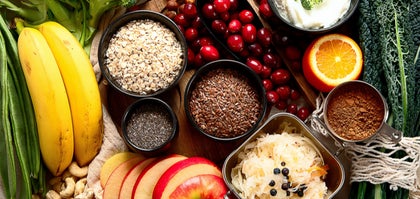
You may ask: okay, but how do I get all my necessary nutrients? We’re huge advocates of adding these foods to your grocery list:
- Citrus fruit – like oranges or lemons.
- Leafy greens – like spinach.
- Mushrooms.
- Legumes – like lentils.
- Oily fish – like sardines and salmon.
- Pumpkin.
- Sweet potato.
- Ginger.
- Garlic.
- Yoghurt
- Wholegrains – like oats.
Get the full picture on why nutrient-dense foods matter more than counting calories in our nutrient density guide.
Healthy winter meal ideas
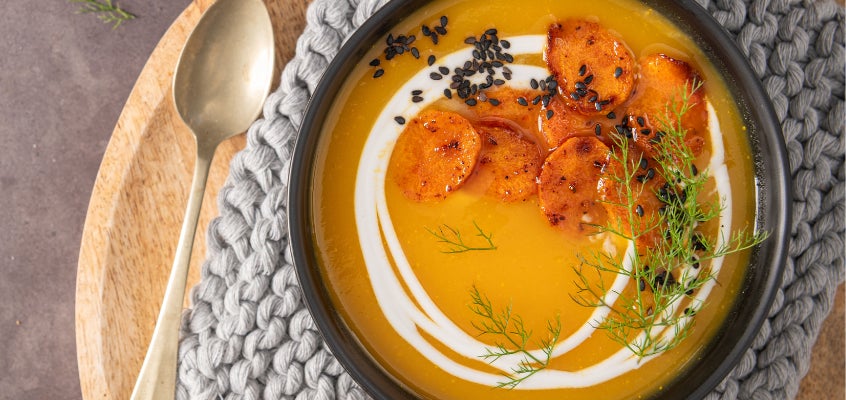
You don't need a masterclass to eat well this season. A veggie and lentil soup, a tray of roasted vegetables with chickpeas, or porridge topped with nuts, seeds and stewed fruit all count as winter recipes healthy enough for daily life, not just a Sunday project.
Keep a few staples on hand, tinned beans, frozen greens, a good stock, and you have the makings of winter recipes healthy families can actually stick to.
Don't forget your water bottle either. It's easy to drink less when it's cold outside, but your body still needs it. Here's how to make sure you're drinking enough water, even when iced water is the last thing you feel like reaching for.
Consistency beats restriction
Winter wellness is all about showing up for yourself, meal after meal, with foods that make you feel good. Some days, that's a hearty stew. Other days, it's toast with peanut butter before training. Both count.
If you'd rather leave the cooking to someone else, swing by Kauai at the Norwest club, or Ü Health Café at the Bondi Westfield club. Their smoothies, bowls and meals are built on nutrient-dense foods and energy-boosting foods, so you can refuel properly without any of the chopping.

Enjoying our blog?
Sign up to our newsletter to get updates on training, healthy living, news and events.